
Cheap lawn mowing & gardening in pembrokeshire, season by season
GARDENING DIARY
Many gardening activities, lawn mowing in particular, demand active maintenance throughout the year.
From consistent mowing in summer, to protecting the turf in winter, key tasks include scarifying and aerating in spring/autumn, feeding regularly, and managing water during summer droughts.
SPRING. . .
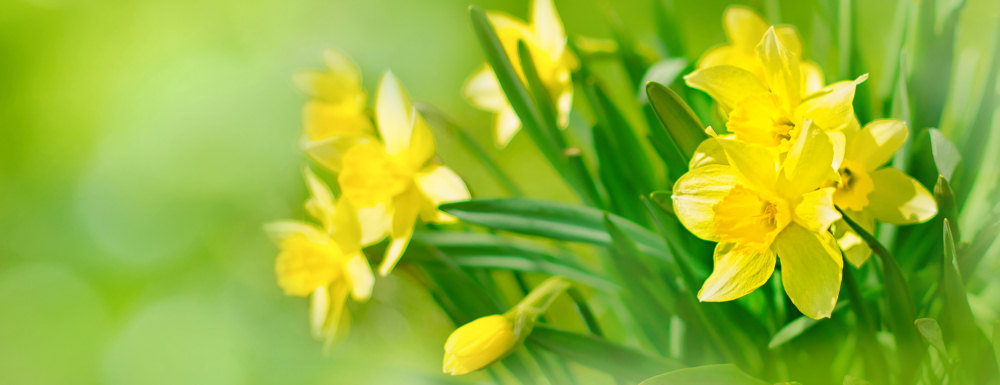
march, april & may
It's a new year, the garden or grounds are starting to grow, your grass is in need of mowing, weeds are appearing on the path and the hedges are shooting up. . . what to do first?
The early growing months here in Pembrokeshire are key to your garden's year-long health. The correct treatment in spring, especially for grassed areas, is key to development and growth, and can significantly reduce potentially problems later in the year.
[ BONUS: More spring works... ]lawns & grassed areas
Healthy spring growth is a key stage in the long-term development of a healthy lawn.
This is the time to apply a suitably balanced fertiliser, or lawn feed, plus a broadleaf weed treatment. and spring is the best time to 'overseed', or sow seeds onto an existing lawn to improve grass density.
An early aeration will inhibit moss and help oversown grass seed to have direct contact with the soil. These two treatments can be combined with a light top dressing of soil, brushed or raked in to the surface of the turf to aid germination and promote thatch decomposition.
hedge trimming
March is the ideal time for both formative and remedial cutting of evergreen hedges in Pembrokeshire; before they have been allowed to grow out of control, and in advance of native wild birds take up their nesting residence for the year! Early hedge cutting is crucial to bring evergreens back into useful shape and prevent them becoming a nuisance.
tree thinning
Removing smaller branches within the crown in early spring will produce a lower density of foliage in the summer, allowing more light to pass through the tree and reducing the 'sail effect', whilst leaving the overall size or shape of the tree intact.
CLICK HERE TO CLOSE THIS INFO
call mow today: 07531 311 766
SUMMER. . .
june, july & august
What grass cutting height and frequency is right for summer? Open the BONUS content below to discover whether to weed and feed lawns, prune trees or cut hedges during the height of the growing season.
[ BONUS: Jobs for summer... ]lawns & grassed areas
Mowing the lawn is probably one of the most obvious, and important, summer maintenance task. Most plants are well established by now and responding to the increased light levels and warm evenings, so require much less effort. To keep the lawn in good health, however, requires regular attention, frequent grass cutting, weed control, feeding and watering.
Cutting height and frequency are the two most important factors throughout the summer months. Mow lawns frequently, at least every two weeks (with a lowered cut height ) throughout the summer here in Pembrokeshire, but consider weekly cuts if your budget will allow.
hedge trimming
Maintenance only hedge trimming and shaping is possible between April and August, by law, to avoid damage and disturbance to nesting wild birds and other wildlife who call your hedges home! Ask Adam at Mow Wales for more details of the legal restrictions as they pertain to your hedge species.
tree surgery
Whilst emergency felling, dismantling and deadwooding is available all year round, summer crown works such as thinning, raising and reduction can be safely carried out at the height of summer for deciduous species, well before leaf fall.
CLICK HERE TO CLOSE THIS INFO
call mow today: 07531 311 766
AUTUMN. . .
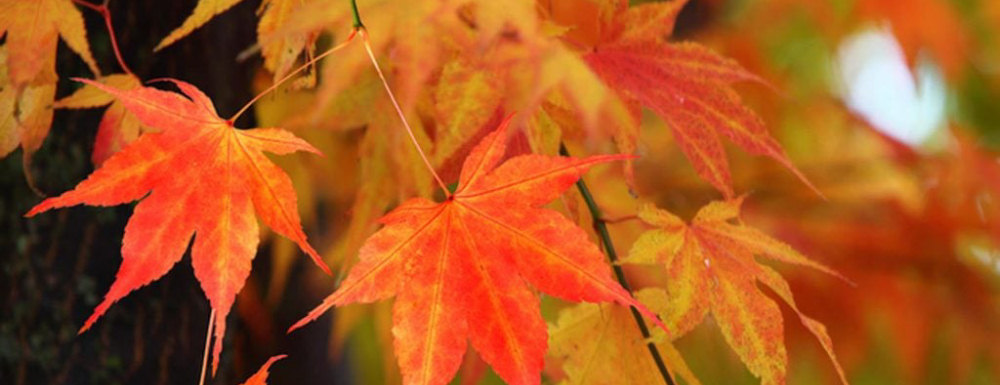
september, october & november
The grass is still growing, but the leaves are falling from the trees. . . so what should you be having done in the last quarter of the year, apart from just sweeping and mowing? Find the answers in this BONUS content...
[ BONUS: More autumn tasks... ]lawns & grassed areas
Use the last month or so of the annual growing season to prepare your lawn, trees and hedges for the stresses of Winter. Prune potentially dangerous deadwood and cut back hedges. A final feed should ensure that your lawn stays healthy over the cold season will be is in the best possible condition, ready for the spring and a new year of trouble-free service.
Aeration during the wetter autumn months is important to improve surface drainage of turfed or grassed areas, removing the conditions that encourage moss to develop and return. However, on a heavy soil and or in shaded areas, the development of moss will need to be constantly monitored and other treatments may have to be considered.
A gradual increase in cut height to match slower growth will also help to keep moss under control, as will the prompt removal of fallen leaves.
The last regular cut of the year will probably be scheduled for November or early December, depending upon the seasonal weather.
hedge trimming
Whilst deciduous hedges can be maintenance pruned to control their shape throughout the year, primary consideration must be given to nesting wild birds and other native wildlife, so any severe cut-back must be delayed until at least October, when fledglings have left the nest.
tree surgery
As days begin to noticably shorten, now is a good time to spot dead wood in the crowns of broadleaf trees. A simple visual inspection should reveal loose branches and these can be safely removed, whilst avoiding disturbance to nesting birds. Additionally, sap will not bleed from the tree if surgery is done late in the year, ensuring normal recovery growth when the weather warms.
CLICK HERE TO CLOSE THIS INFO
call mow today: 07531 311 766
WINTER. . .

december, january & february
It is the time of year when gardens, grounds and outside spaces look starkest and most bedraggled. Waterlogged soils are common, and this is the best time of year to clear debris build up.
[ BONUS: Garden care in winter... ]lawns & grassed areas
Although these are the quietest months in terms of lawn maintenance, it is important to keep grassed areas clear of fallen leaves or debris. . . aerating the lawn to manage drainage and prevent standing water.
If moss or disease does become a problem, a 6 weekly application of sulphate of iron may be helpful in discouraging disease and to help prevent common winter lawn care problems, whilst a winter feed, low in nitrogen but high in phosphate and potash, will strengthen both the grass leaf cell walls and roots. Just ask Mow!
tree surgery
Whilst felling and dismantling can be carried out at anytime of year, due consideration must be given to nesting birds or the presence of other protected species, making these months ideal. This is particularly so for dense species such as conifers.
Crown reduction, thinning and lifting, although often a high summer activity, can also be carried out in winter, before bud burst and flowering in spring, when trees are in this semi-dormant growth stage.
In very wet weather, especially on clay soils, compaction may mean rescheduling until conditions improve. . . and remember that the branches of beech trees can become brittle in very cold weather, so cannot be climbed!
CLICK HERE TO CLOSE THIS INFO
call mow today: 07531 311 766
FREE SURVEY & QUOTATION
Don't forget, whatever your gardening needs, and wherever you are in Pembrokeshire, just call and ask Mow Wales in Milford Haven for a no-obligation, fixed price quote!
SERVICE AREA
Seasonal gardening and grounds maintenance for private, commercial and rental properties across all of Pembrokeshire including; Johnston, Milford Haven, Haverfordwest, Pembroke, Pembroke Dock, Broad Haven, Saundersfoot, Narberth, Tenby & St Davids.
